
The 2026 World Cup is the largest edition in tournament history. Forty-eight teams play 104 matches from 11 June to 19 July across 16 host cities in Canada, Mexico and the United States. The longer schedule gives supporters more football but divides attention between broadcasts, score updates and other entertainment.
Why the Expanded Schedule Changes Viewing Habits
The group stage includes 72 matches in 12 groups of four. On busy days, several fixtures take place within a short period. Most viewers cannot follow every minute, so they will prioritise their national team, leading teams and decisive fixtures.
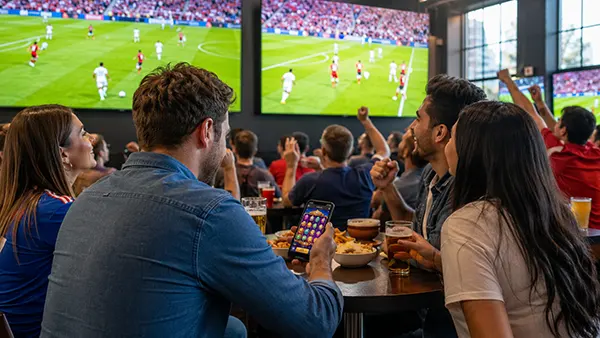
Other fixtures may be followed through highlights or live scores. Some adult viewers may open Nolimit Way, an online casino website, during a break before returning to the football. This reflects divided attention rather than a full move away from the match.
The new round of 32 lengthens the knockout phase. A finalist now plays eight matches instead of seven. More countries remain involved after the group stage, although frequent football can also cause viewing fatigue.
When Online Casino Visits May Increase
Casino visits are more likely before kick-off, at half-time and after the final whistle than during decisive moments. These windows suit short mobile sessions, but the pattern depends on the fixture, local time and importance of the teams.
A major match can reduce interest in casino games while play is under way. Supporters usually focus on the screen when their national side, a favourite or a close rival is competing. Activity may return after the match if the next fixture does not begin at once.
Time zones will shape these habits. Evening matches in North America may appear late at night elsewhere. Viewers who stay awake may switch between the broadcast and their phones, while others rely on highlights the next day.
How Online Casinos May Respond to the Tournament
Operators may time football-themed promotions around major fixtures, but players should judge each offer by its terms. Wagering requirements, expiry dates, minimum deposits and excluded games determine whether a bonus is practical. A large headline figure does not guarantee value.
Live casino demand can change sharply around kick-off times. Operators may adjust table availability and dealer schedules to expected traffic. Group-stage days could bring short visits, while semi-finals and the final are more likely to hold attention throughout the match.
Mobile access makes switching between football information and casino games simple. That convenience can lead to unplanned sessions. Clear budgets and time limits are useful when entertainment choices are only a few taps apart.
Keeping Football and Casino Play Under Control
A long tournament can encourage repeated spending, especially after an unexpected result or a lost sports bet. Moving to casino games to recover money increases risk. Football betting and casino play should be treated as separate expenses.
Players can set deposit limits before the tournament begins. Session reminders, cooling-off periods and self-exclusion tools provide control. It is also sensible to avoid gambling while tired, upset by a result or affected by alcohol.
The 104-match format creates more entertainment, but it does not increase a viewer’s attention or budget. Choosing matches in advance and setting a firm spending limit can keep the World Cup enjoyable without allowing short breaks to become uncontrolled casino sessions.